Tag Archives: spells

Spells for Influence or Domination

Influence Spell

You will need:

Crown of Success Oil
Influence oil
A glass jar with a metal lid
Sweetener of choice
A picture and/or name paper of the target
Yellow candle

Anoint yourself with Crown of Success oil, especially on the temples and brow.

Take the picture/name paper of the target and place it into the jar. Cover it with a sweetener of your choice. Taste the sweetener and say “As this honey is sweet to me, so “Sally Johns” will be sweet to me and favor my requests. Close the jar.

Take the yellow candle and dress it with Influence oil. As you dress it, express what your desire is for the target to do for you and to follow your request and to favor you. Set the candle onto the jar and light it. While the candle burns, for at least 15 minutes, see hooked lights rising up from you and reaching out to the target of the spell. They flow into the target’s eyes, mouth, ears, nostrils etc,  and enter into the target and fill their mind and heart with images of you and that they are granting your request. They are happy with doing so, and feel happy from being able to help you and grant your request. When you are finished, let the candle continue to burn until it goes out. 

It is best to do this spell a day ahead of any meeting that you may have with the target regarding your request. When you go to meet the person, you should anoint yourself again with Crown of Success oil.
This spell can be slightly altered to serve different purposes. If you want to use it for love, use Bewitching oil or Look me Over instead of Crown of Success. If you want to influence troublesome people to go away peacefully, use Cast off Evil or Crucible of Courage. 

Domination Spell

You will need

Master Oil
Domination oil
A purple candle
A personal curio (hair from the head of the target, or their personal handwritten signature, or a drop of their blood)
A sharp implement to scribe into the candle

WARNING – The personal concern is absolutely necessary for the success of this spell. If you cannot acquire an intimate personal concern appropriate to the target, don’t do this spell. If you want to dominate a family member or loved one that you live with, you should go to acquire their hair or blood. If you want to dominate a co-worker or boss, then you should acquire their signature in their own hand.

Once you have the concern, anoint yourself with Master oil. Take the purple candle and with a scribing tool, write your request in a spiral around the candle, including the target’s name, like the stripe on a candy cane. For example “I dominate you Johnny Jackson, so you will listen to me and do your part in maintaining our home and raising our children. Or “I dominate you Sarah Sampson, to stop standing around by the water cooler and do your damn job.” Once you have finished writing your request, anoint the candle with Domination oil, repeating your request as you do so. Take the personal concern and place it under the candle. Light the candle and for 15 minutes see your request as a glowing chain flowing into the target. As it flows in, the chain wraps around their heart and their brain, wrapping around them tighter and tighter until both are essentially gone and replaced by your glowing chain, filling their entire being until only your will and desire remains inside them and all they can do is act upon and think of what you want them to do. The target is now just a subservient machine that will carry out what you desire. Once you have finished the 15 minutes, let the candle finish burning.  

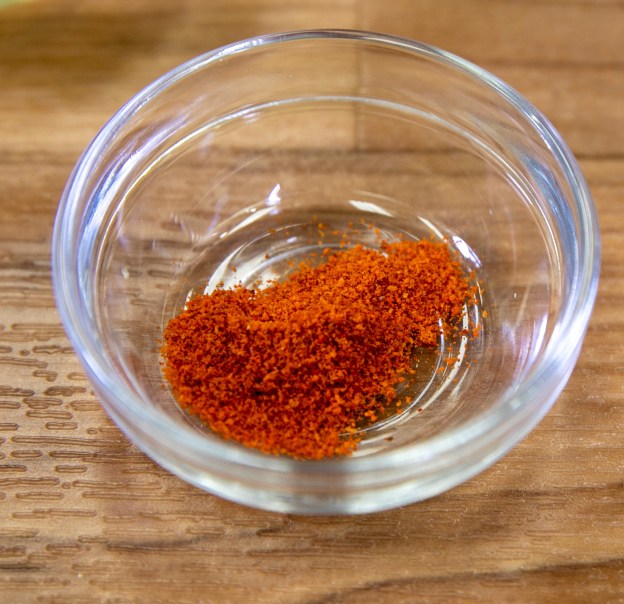
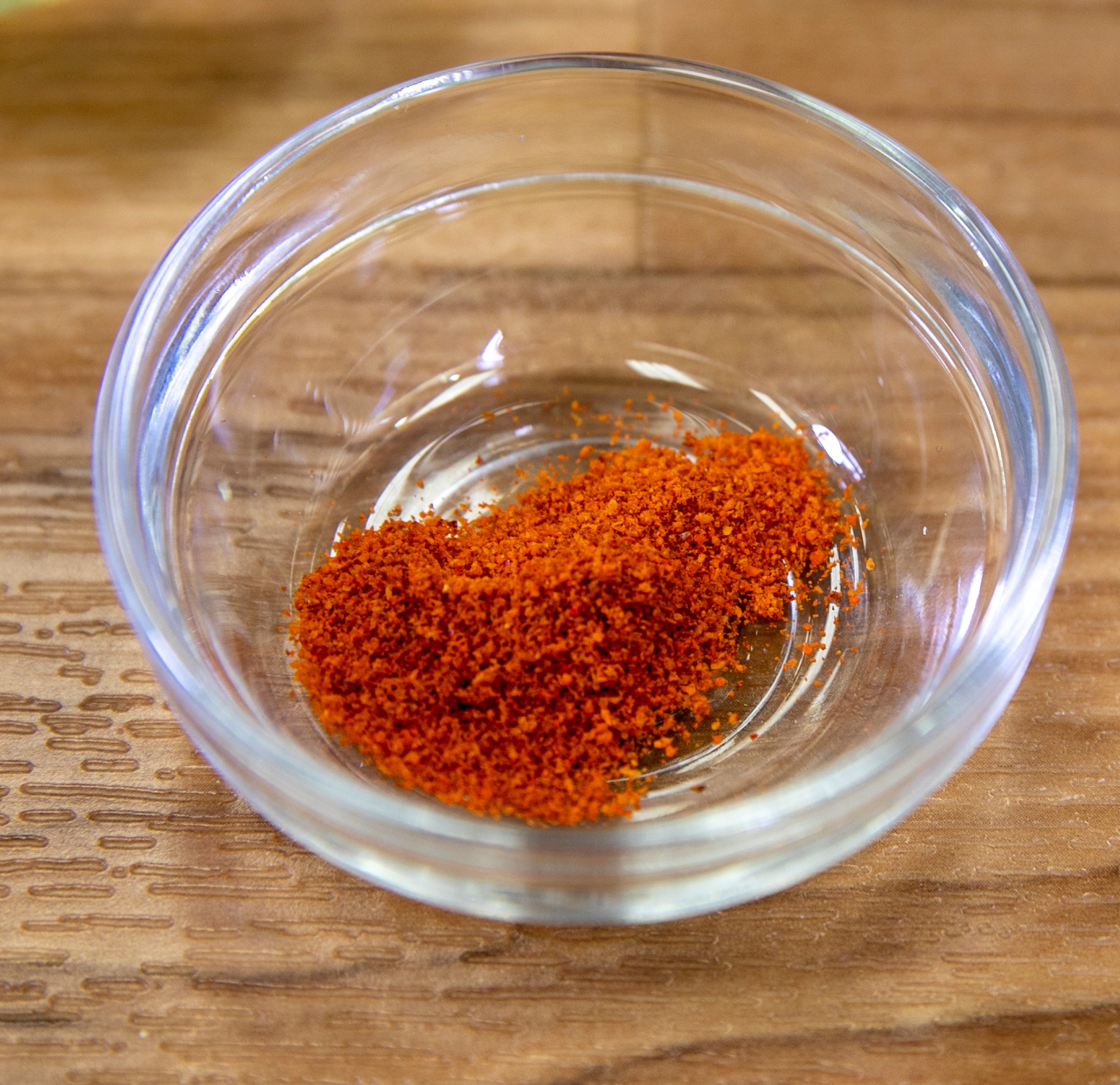
a glass bowl holding a small amount of cayenne powderBy Alabama Extension - https://www.flickr.com/photos/184594136@N08/50594877991/, CC0, https://commons.wikimedia.org/w/index.php?curid=102658519

Monthly Magic – Cayenne Pepper

a glass bowl holding a small amount of cayenne powderBy Alabama Extension - https://www.flickr.com/photos/184594136@N08/50594877991/, CC0, https://commons.wikimedia.org/w/index.php?curid=102658519
a glass bowl holding a small amount of cayenne powder

This month I feel driven to talk about Cayenne pepper. I have been seeing it pop up recently in some online recipes and I think some people may be confused about this ingredient.
First, some science. Cayenne is a cultivar of Capsicum Annuum, the family of fruits that make up what many people refer to as chili’s or chili peppers. This genus belongs to the nightshade family aka Solanaceae. Other cultivars include peppers such as the jalapeno, but also the bell pepper. One specific trait of the cayenne pepper, like other relatives, is that the fruit hangs down from the plant, instead of growing up from the plant. This pepper is the familiar bright red color, although other varieties of this pepper can come in other colors. Another chili with a similar appearance is the bird’s eye chili. The main difference between these two peppers is that cayenne is relatively mild in terms of spicy heat, as it is usually marked at 30-50 thousand Scoville units, while Bird’s eye will have 50-100 thousand Scoville units.
More people will be more familiar with the seasoning cayenne powder or crushed red pepper. Interestingly both of these seasonings are more often a blend of red colored chilis, and not any one type of chili, often being a mix of cayenne and bird’s eye etc…. Thus depending upon the mix, or the season, the same cayenne powder or crushed red pepper can be hotter or milder.
And by hotter, I am referring to capsaicin, the chemical naturally produced by many cultivars of Capsicum Annuum which attach to and react to sensors in the human mouth, and other sensitive membranes, causing a burning sensation that many people find uncomfortable and undesirable. However many other people find it enjoyable and like adding chilis and sauces made from chilis to their food. There are other foods that have different naturally produced chemicals that produce a burning sensation, such as horseradish or mustard, but also ginger, garlic and onions. These other plants don’t use capsaicin however, and their chemical heat functions differently, and can be dealt with differently. The spicy heat of various Capsicums is generally measured by Scoville units, a measure that indicates a greater burning sensation on sensitive tissue. So a chili with only a few 100 Scoville units may not produce much of an impact, but something with 100k or more may produce a dish that not many people may be able to eat unless they are experienced chili eaters. A low number may also indicate something that won’t irritate skin or sensitive membranes as much, while a much higher number may need to be handled with gloves and eye protection to prevent accidental spreading of the active chemical to sensitive membranes such as the eyes, nose, or private regions.
It is this burning sensation and the bright red color that has made cayenne and chilis popular to use in folk magic and magic in general in the USA and possibly the world. I am more familiar with its uses in the USA in African American folk magic, so I will stick with that topic.
The hot, burning sensation of cayenne and other red chilis is one of the main reasons behind its use in folk magic. That burning to the unfamiliar can be very unpleasant, and if very intense, can actually have health complications for people who aren’t experienced with it. It’s painful. Very painful. This painful burning sensation is why cayenne figures often into various formulas for Hot Foot Powder. It is also why it may appear in cursing formulas for all sorts of things. If you want to curse an unfaithful sexual partners private parts with a burning STD, use cayenne in your spell. If you want to curse a local gossip who is slandering you to have their mouth burn when they speak ill, use cayenne. Cayenne is principally a cursing herb. While sometimes you may have to protect yourself and fight cursing with cursing, or if you want to drive off an enemy who is causing your problems, even if you’re justified in doing it, it’s still a curse that you are using to achieve your goal.
Some people get the heat of cayenne confused with other hot herbs whose heat can be more pleasant, such as ginger or cinnamon. Cinnamon often figures in various spells for luck, either in drawing hot passionate love, or getting money quickly, perhaps through gambling but also just by lucky windfalls that come your way. Ginger can also show up in love spells for passion, but may also be used as the hot herb in protection spells. This is different from cayenne. Ginger and cinnamon are more sweet and hot. Think of ginger candy or cinnamon candy. Yes they can be hot, but the heat is much more pleasant and pairs well with sugar and sweets. This is the reason why in beneficial spells cayenne is not a traditional or common ingredient. The heat of cayenne is painful, not pleasant. It’s meant to cause harm, not to bring soothing or pleasant warmth. If you see a recipe online for something like Fast Money or Fast Luck, and it features cayenne, steer clear. That cayenne is going to cause you to lose things quickly, or have fast bad luck instead of good luck. Substitute it with cinnamon powder or ginger powder instead, and you will probably see much better results.

Here is a ritual based along more traditional folk magic lines for using cayenne.
To inflame an enemy with rage and confusion.

For this spell you will need:
A jar

9 pins

9 needles

9 nails

Cayenne pepper

Poppy seeds

Putrid water (This could be any water from a foul source. Polluted water, still water from a bog or swamp, gutter water, or even war water purchased from a retailer. Even gray waste water will do.)
An item to represent the target. (At the minimum you want a piece of paper with their name written on it, even if you did it by hand. Better items would be their own personal signature (even if it’s a photocopy) or hair, nail clippings, or worn unwashed underwear, or bodily fluids)

Take the jar and place the personal item into the jar. Add the cayenne and poppy seeds, and then the needles, pins, and nails. Cover it with the putrid water, and then seal the jar tight. For nine days take the jar out and shake it violently, swearing and cursing at the person, inviting wrathful spirits to turn this person into a rageaholic entitled Karen (or Chad) who alienates and drives everyone away from them etc… On the ninth day go and bury the jar where the target will pass over it or by it on their normal routine. If it is possible to safely plant it in front of their house, you should definitely do that, otherwise nearby is sufficient.

Part of the success in the spell is the placement of the jar where the target will have an interaction with it. Do not keep it at home. It needs to be deployed to be successful.

You can also take some additional considerations for this spell, which are not required to be successful. You should start the spell on a Tuesday, and/or during a planetary hour of Mars. Night hours are preferred over day time hours. Doing it under a waning moon is also preferable. Visualizing chaotically rushing red  flames flowing into the target’s eyes, ears, nostrils, and mouth and seeing them engaging in self destructive behavior can also help. These are only suggestions and not requirements.

spices

Pumpkin Spice Magic


WHAT IS PUMPKIN SPICE?

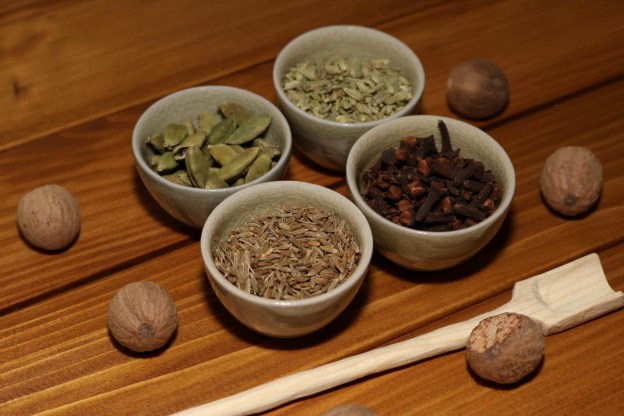
Pumpkin Spice is a blend of sweet and hot spices, typically used to season pumpkin pie. Pumpkins themselves have a rather bland flavor that easily allows it to become an easy background to any flavoring you want to add to it. The spices usually included in this mixture are cinnamon, cloves, nutmeg, ginger and allspice. Some old recipes may not use all of these, as in the past, possessing any one of these spices was worth a potential fortune, and it really wasn’t until much more recently (relatively speaking) that there were rather inexpensive to acquire, and commonly available in the USA and other Western countries. If it were ever possible to travel back in time, take with you a single whole nutmeg, and you could potentially have a good sized piece of land and it’s serfs at your beck and call.
Personally I have included other spices in my own blends from time to time, to achieve an interesting touch. Black pepper gives it a touch more kick, cardamom adds and blends nicely with the other spices, and for something different (and not altogether desirable to a lot of people) adding star anise to it also gives a unique flavor that I enjoy. But the basics that are commonly used are listed above.


THE MAGIC OF PUMPKIN SPICE

Interestingly, the spices using in a pumpkin spice blend have a long history of being used for various spells and rituals, most of them to bring good fortune, wealth, luck with gambling, and also love.

Cinnamon and Nutmeg are probably the best-known spices for money. Cinnamon, the bark of certain trees native to Asia, as well as their essential oil, are used in numerous spells meant to attract wealth, bring love, bring luck, cleansing, and also, protection. This must be because of how popular cinnamon is as a spice. It appears in recipes around the world, and is still popular in many foods, sweets, and beverages. Depending upon cultural context, that will shape how cinnamon is used by people, but in this modern world, where the spiritual works of all cultures are available with a few clicks on a smartphone or computer, people are working with cinnamon more than ever.  While some insist on using true cinnamon (cinnamomum zeylanicum or C. verum) the most common cinnamon in the USA is actually cassia or Chinese cinnamon (cinnamomum cassia). Most powdered cinnamon in the supermarket, and whole cinnamon sticks are this type of cinnamon.  Its bark is thicker, and sturdier, and the flavor is strong compared to Ceylon Cinnamon, whose bark is more thing and paper like, and the flavor is lighter. Both are used for similar purposes, and you can work the same magics with either one.
Nutmeg (myristica fragans) is the seed of a fruit, specifically the inner part of the seed. The seed coat is also used as a spice known as Mace. They have similar flavors, but nutmeg is thought to be stronger and sweeter, while mace is milder. The most famous and infamous use of nutmeg is in a gambling charm where a hole is bored out and a drop of quicksilver (liquid mercury, a very toxic and dangerous metal) and sealed in with some beeswax that is said to be a powerful charm for gambling luck. Thus, in various forms, nutmeg is usually used for gambling luck, luck with gaining money in all it’s ways, and luck in life in general. If you consume enough raw nutmeg, it can have psychoactive effects, but in large quantities, allergic effects and skin irritation can result. Do be careful if you’re trying to use large amounts of nutmeg.  Honestly, my favorite use is to add a tiny pinch of nutmeg (either fresh ground or in a jar) and adding it to cooking green vegetables, like spinach, swiss chard, collards, etc… That small pinch offsets the natural bitterness of vegetables and allows their more pleasant subtle flavors to become more pronounced. If you can taste the nutmeg, you have added too much.

Clove buds (syzygium aromanticum) are the dried flower buds of an evergreen tree native to Indonesia. Clove is a spice you either love or hate. I don’t think I have ever met people more divided over a spice. At one time, people would use clove powder to numb their gums when attempting to pull teeth before modern dentistry.  If you consume too much clove spice, it does cause a numb feeling on the tongue, but not enough to cause any significant issues, although over consumption can have toxic effects, but you would seriously need to consume large amounts of clove buds, or a few drops of essential oil. Their odor is quite strong though, and they are very popular for their spicy scent, especially in creating pomanders, a apple or orange studded with cloves, wrapped in netting and ribbon and then placed in clothing drawers or chests. Over time, the cloves and fruit odor will permeate where it is stored, imparting the spicy scent to it.

Clove buds are also one of those incredibly popular spices which also feature into numerous spiritual workings for love, money, protection, gambling luck, general good luck, but interestingly enough is to protect and stop gossip and slander. I think this attribution comes from the claims of causing numbness in a person’s mouth, which of course correlates to shutting them up. It is also said to encourage friendship, which could also be possible reason for stopping gossip.

Allspice (pimenta dioica) is the unripe and dried fruit of a tree native to the New World. It is named allspice by English traders as they believed it combined the flavors of cinnamon, nutmeg and clove, thus it was a substitute of “all spices”. Interesting, it’s the only new world spice, whereas the others are all natives of Asia, and were known from the spice trade and Silk Road between Europe, Asia and the Middle East. If you are ever out of cinnamon, nutmeg or clove, just use allspice, and it will work quite well and be pleasant to most people.
Allspice for spiritual works is used mostly for luck and money. While the other spices may have uses associated with love, allspice seems to be the more specific.  In quite a few Money Drawing oils, it is not unusual to see whole small allspice fruits floating in the fragrant oil.

Ginger (zingiber officinale) is the root of a plant used as a sweet and hot spice in deserts. While my favorite form of ginger is as slices of candied ginger root, cookies, cakes, a sweet known as gingerbread are the most common forms in Western cuisine. Ginger is used in savory dishes in various Asian cuisines, and the fusion of the cuisines has created some interesting additions of ginger in various dishes. Ginger is related to galangal, a root also used in the spice trade and in food, but also cardamom, turmeric, and the guinea pepper/grains of paradise.
Ginger root is primarily used for its heat. The experience of heat has various identified spiritual uses, mainly to get things moving. The difference between the heat of ginger and say, the heat of a chili pepper, is that more people like ginger then they like chili pepper. Ginger is commonly used in general luck spells, but that heat is added to numerous other recipes, to help with gambling, to heat up love and lust, or to add that heat for protection.

This makes the combination of pumpkin spice a kind of magical luck generating powerhouse, which is also protective, and brings in love and money. I mean, can you blame people now for liking their pumpkin spice drinks and sweets now? Isn’t that the kind of boost almost everyone could use on their side?

HOW YOU CAN USE PUMPKIN SPICE!

You can pretty much use a pumpkin spice blend for any kind of good works. Since it also smells great, using it for a bath, tea, incense will add some of that spicy odor to your home. You can either buy blends in a store, or search the internet for any of the innumerable recipes for making the spice blend yourself.

  • If you’re a worker on a budget, a simple way to make a spiritual oil would be to buy some pumpkin spice blend, add a teaspoon to a small bottle, and cover it with oil. Pray over it, and let it sit.  It may not take on the fragrance, (although it could over time, and expose to some heat to help infuse the odors), it could work as an all purpose good works oil to help attract luck, money, love, etc… into your life.
  • Boil a teaspoon of the mix in a medium pot of water or steep some and use it to take a spiritual bath. You can use it for cleansing, but also to attract love, luck, and money.
  • One simple recipe I have seen for a while is that mixture of powdered sugar and cinnamon can be used to make a simple sachet powder for drawing good things. Why not step it up and use pumpkin spice blend instead to kick it up a notch?
  • Enchanting spices to use in food to offer to people is an easy way to work magic on others. Make pumpkin spice gingerbread men and feed them to co-workers or family to promote friendship and good fortune.
  • Using any oil for money, love, luck, or protection, dressing a candle with the oil and dust it with pumpkin spice powdered mix in order to add further spiritual herbal power to your spell.
  • Make a ring of pumpkin spice powder around any spell for love, money, luck, or protection in order to help the spiritual influence.
    There are numerous and endless uses to using Pumpkin Spice blends for spiritual work, so feel free to get creative with it.


Cleanse and Refresh with Water

Water has a wonderful spiritual power all it’s own. While it often plays a backdrop to many spiritual practices itself, water can be used directly in it’s own way.

One of the main qualities of water that is recognized is that it is cooling. As many people take the opportunity to enjoy a pool or the beach on a hot day, or just seek out cool water to drink when feeling hot from exertion, so that same quality can be used in spiritual work.

A simple way to use the cooling power of water is to fill a glass or bowl with clean water. Tap water is sufficient, but you might find that bottled spring water or water collected from a natural source, like a nearby lake, river, ocean is more effective. Pray over the water to fill it and emphasize the use. Some examples from Psalms that might be effective might be Psalm 65:9 “You visit the earth and water it, You greatly enrich it, The river of God is full of Water.” or Psalm 72:6 “He shall come down like rain upon the grass before mowing, Like showers that water the earth.” or Psalm 104:13 “He waters the hills from his upper chambers. The earth is satisfied with the fruit of his works.” After praying, take the water starting in the back of your home, sprinkle it around you. If you have a device to sprinkle with, use that, but just using your fingers after dipping them in the water is sufficient. Sprinkle the water until you have sprinkled every room of your home. This helps to cool and refresh the home, a simple way to cleanse and bless it, and an excellent addition to any house cleansing, especially after an intense or hot situation, like an argument.

This water can also be used to cool and refresh yourself, just pouring the cool water over yourself, or sprinkling it on yourself. The sprinkle some before you, behind you, and to your right and left, essentially cooling and refreshing in a five-spot around you to cool the paths you might walk or go.

You might be familiar with the folk magic of setting a glass of water near you as you sleep. No, it’s not for drinking, but has often been used as a way to bring restful sleep, as it keeps away nightmares and spiritual forces that might be troubling you, at least on a basic level. I find that adding a pinch of salt, and praying over it seems to give better results if you find that you are prone to nightmares or very sensitive to spiritual forces. When you wake up in the morning, it should be disposed of, either by throwing out the front door of your home (or apartment building) or flushing it down the toilet.

This same glass of water can also be set in a room for a day, as it will also produce a calming influence to spiritual forces and disturbances. One method of making this stronger is to add some camphor to that glass, a crystalline substance often sold in cubes, which has been used for cleansing and purification as well. Camphor also has a cool sharp scent and works well with water for this purpose.

Praying over water before you drink it, is also a very gentle way to help do a regular personal cleansing. Water is used to help the body remove waste that is made from regular functions, so spiritual empowered water can help to remove spiritual debris from within, which can be very useful following a period of intense spiritual work, or as part of spiritual cleansing regime.

Galdr and Taufr (spells and talismans)

In the basic performance of magic with the Runes, there are two methods that are commonly used. They are known as galdr (or galdor) and taufr (or taufir). These can be simple summed up as spells or incantations, and talismans.

Galdr refers to spells, magic enacted through spoken words. In Old Norse, it also has connotations of singing, as the spells may have actually been sung or spoken in a sing-song way. As there are no existing records of how galdr may have been done, contemporary practices that I have found seem to point to two methods.

One method comes from Edred Thorsson, and can be seen in his book, Futhark: A handbook of Rune Magic. In describing the runes of the Elder Futhark, one of the things he notes is the runes Galdr. These are ways of chanting the runes name, as a means to attune oneself to that runes specific energy. This method is derived form Guido von Liszt, who developed a method of chanting runes, seemingly derived from Hindu practice of seed mantras. In Hinduism, there are seed word sounds, which have certain qualities associated with them. By combining these word sounds, you create a full mantra, for a specific effect. Liszt developed his own version, based upon his Armanen runes, which combine vowels and consonants. The vowels represent energies, while the consonants are forms. These are combined to create a galdr for a specific effect. Thorsson developed on this, extending the letters through the Elder Futhark. Then chant the combination to activate the galdr.

The other method uses poetry to write a spell. Using the symbolism of Runes and their meanings, are woven into the galdr, along with poetic devices common to Northern European peoples, namely alliteration (rhyming using the first consonant of a word) and kennings (inventive names used to describe things, people or places). These are then sung or spoken in pitch, to activate the galdr.

Taufr are talismans. Traditionally, they would have been carved on wood, stone, metal or bone. The talisman then serves as the focus of the magic, conveying its power to its target. The power of the taufr comes from the runes placed on it. The purpose of the taufr is determined by the runes placed on it. Some taufr can be generic for helpful purposes, like general luck or good fortune. Others might be specific, such as the Tyr/Teiwaz rune placed on a sword, to aid the user in combat. The sagas give examples of runes being carved into items, which then destroy the item, such as a cup, because the cup was filled with a poisoned beverage, or a special staff is created which delivers a curse upon foreign rulers, which will only end until they leave the country. Historical sites show place markers for property, as well as spells used to bind people to their grave, as the restless, harmful dead were seen as potentials for mischief and harm.

With the exception of certain archeological sites, we have little information about ancient talismans. Even the sites often leave little clues, except for when the magical uses of the runes are made clear, such as binding the dead to their graves. Contemporary practice does have quite a few methods as to how to determine Runes to create talismans. The easiest is with a single rune, which is alignment with your desires and intentions. For example, if you want to shed light on an issue, use Cenaz. If you want to freeze up some harmful actions, use Isa. This method can be expanded upon by combining runes for your intention. Like combining Feoh with Berkana, to gain money and nurture it to grow.

Other methods are based upon chaos magic techniques of sigil production. Writing your intention, eliminate all the double letters. Take the runic equivalent of those letters, and use that to create your taufr. You can also combine them into a graphic design, known as a bind-rune or sigil. This can be used as a means to conceal your intent from others (if you don’t want it known) and in trying to create a graphic that is aesthetically appealing, adds power and intent to your spell.

You could also perform divination, asking the runes for what to use. From using this method, I have had some surprising results, as the runes indicated may often seen unrelated to your desire, but often act upon internal and external energies to help bring your intent into physical manifestation. This is also an excellent method for creating Thorsson type galdr.

Once you have your runes selected, and you have carved them or placed them on the item, at this point a fluid is then placed upon them. Typically, it is a bodily fluid, blood or spit being the most common. A common substitute is alcohol (ale or beer, but even hard liquor) or red dye or paint, which stains the runes red (blood symbolism). At this point a short incantation may be done chanting the runes names, or simply saying “So mote it be” or something along those lines. Then your talisman is complete. It may need to be placed where it is going to exert its influence, such as carried on your person, or deposited near the target of the spell.

Galdr III

So far, I have looked at galdr as an art form, suggested musical and vocal additions to it, and now, let us look at words. In most of the first books about runes that people will look at, when galdr is mentioned, they are often just making simple sound of the rune letter, either just the name, variations on the name or a combination of vowel and consonant sound, based upon the letter the rune represents. Guido von Liszt had a simple sound chart to go with his Armanen runes that combined the letters (which had meanings and symbolism) and vowel sounds (A E I O U, which also had meanings associated with them) and by repeating these you would channel certain energies. Edred Thorsson made a suggestion based upon stating your intent (his example I am rich) and simplifying it into the vowel and consonant sounds ( EE AAMM REE EECH) which would thing add those corresponding subtle energies to your intent and help it in manifesting.

From a more reconstructed point of view, Kvedulf Gundarsson suggests that use of kenning and alliteration in his section about the Poetics of Galdr magic. I have to say, this does give it a certain elegance and I very much favor some of his suggestions.

Alliteration is rhyme, using the beginning consonant of a word, instead of the end sounds, which most people are familiar with. Alliteration is widely used in many of the stories and is most well remembered by most people from when they read Beowulf, as it was used extensively. Like all forms of rhyme, it also helps one in memorizing or remembering what was said. It also takes on a rhythm of its own, which is created by the rhyming pattern. It does seem to depend upon how tight or loose the alliteration is. For example:
Frost, Freeze and Fickle men
Foundering in a forsaken sea
Lost you are
And lingering without
For lust’s cruelty
Love is locked against you
Or
Joy has come today
Jubilation fills the home
Jump and celebrate with all about
Jests are welcome
Jokes are told
Join with us and raise a cup,
Jollity for all.

As you see, the closer the alliteration is, the faster and sharper it is, while spreading it, makes the feel of the words seem much easier. Experiment with your own and see what works for you

Kennings are also a tool in Scandinavian descended story telling and poetics. Gundarsson suggests that kennings in magical poetics are like true names, being able to describe the nature of a thing, giving you more power over it. I tend to think it was more of a literary device, make telling a story more interesting, but also to make it fit with other linquistic devices, like alliteration. It does however, seem to fit well, and opens up the possibilities of the linguistic portion of your galdr. In thinking about older kennings, it was descriptive of the item being described, but in a round-about way. You had to be familiar with the target of the kenning, in order to understand it. One example that has always stuck to me, was calling the sea or ocean the “fishes bath.” I don’t know why that has appealed to me so, but it has. The idea that the sea is the just the fish taking a bath, makes me smile a little bit, even when I am stepping into the ocean. Another kenning is for ships, called “Oak of the sea” (cause boats are made from wood ie oak, and they are on the ocean, and so, the kenning). Now, I can hear you saying “well, all this is great Br. Chris, but how does this help me?” Well, think of kennings to say for modern things. You could call your car the “iron horse” or “steel steed”. Your apartment up high could be called “the stead of the sky” while a garden apartment could called “ the under home.” Books could be called “tattooed trees” while newspapers could be called “leaves of the world tree”. Once again, endless possibilities, that could be considered as they are applied to the situation, intent or desire, or personal aesthetics.
When you combine the two, you do open up to some possibilities that can make your galdr fun and interesting. For example:
Ride the road my iron horse
Leave behind the banal bands
Slow sojourners seeking succor
Eat the dust of black rock rivers
As I go flying far and fast

Guess what that galdr is for? Go on guess.

Galdr II

What about music? What about song? Well, those are good questions. How does one incorporate music and/or song into your magic? Well, for centuries, humanity has been touched by music, and knowing that there was something special and unique about it. There are tons of theories about notes and pitches and keys and modes and tones and scales and rhythms and instruments and vibrations. I have sought to familiarize myself with most of it, and in doing so, realized that most of it is pretty much worthless. Why? Because it fails to compare to the love song that makes your heart flutter, the punk rock clamor of drums and guitars, the soothing ballad of folk singers, and the hypnotic and pulsing rhythms of electronic music, and whatever else is popular and moves people and makes people identify with that culture or this sub-group based upon music which unites them all. So really, it does come down to making music that at least feels right and powerful to you, to work your galdr. All the different theories fall flat, when it comes to your own song and the galdr you can work with it.

Everyone can sing. Every One CAN sing, and because anything I say three times is true, everyone can sing. It’s true. Not everyone has the same timbre (that is the distinctive sound, like the difference between a trumpet and a saxophone) and some timbres are more “popular” then others. But that doesn’t mean that you can’t sing. It just means your voice isn’t popular. You aren’t going to be the next American Idol. Get over it. But your voice can still carry power and be used to sing galdr that can change the world, at least your world, if nothing else. To reach that point though, you need to be comfortable with your voice, and get it to do the things you want it to do. There are some ways to do this, which will help you.

One of the first things is how you breathe. Breath work is popular thing in contemporary occultism, as many books out there feature breathing techniques, from pranayama, to just focusing on your breathe; to holotropic breathing (check it out). The key to breathing for singers is to re-learn how to breathe naturally. If you have been doing breathe exercises for a while, you might have already stumbled on this by accident, but most people don’t breathe naturally, except for when they are infants, or when they are asleep. As infants, they just breathe. Their brain does what does, and the lungs fills and empty as the diaphragm is moved by the brain. When we are asleep, it is the same thing. To be consciously aware of natural breathing, the best technique I have ever learned is very simple. Lay down, flat on the floor. No pillows or supports, just flat. Then breathe. Feel your back expand a little, as it pushes against the floor. Notice that you shoulders and chest don’t heave up and down. That is how your breathe flows naturally.

The second part of singing and breath is to not start singing before you have exhaled. Your voice box can start vibrating to produce the desire sounds before the air starts flowing through them. This can cause problems later, if you do this too much or all the time. You might have heard of pop singers have “nodes” on their voice, and they have to be quiet for a few days, a week, or longer, while their voices heal. That is caused by singing before the exhalation. So, let the exhale begin before you start sing. This will also help in carrying your voice and even causing it to amplify, over time.

An interesting overlap in getting trained to sing and some of the exercise of magic is that the full sound of the human voice cannot be “controlled” consciously. The space of your sinuses and the jaws and nose are what is term as “resonant space”. You may have heard singers, whose natural voice just seemed to be very large and loud (even when they are singing softly) that just fills the space around them. This is because they have “trained” their body to let the sound fill that resonant space, which also amplifies the sound produced by the voice. This is also what theater types refer to as “projecting”. You aren’t shouting or yelling, but your voice just fills a space and carries. There is no conscious way to control this. But you can work towards it using (wait for it) visualizations. Basically, as you sing, you visualize the sound filling up and flowing in a certain way, one voice teacher I had suggested the image of a massive cathedral, and my voice was like a fountain of water, shooting higher and higher up into that cathedral. This is also how you learn to sing high notes too, but you can learn that on your own.

So, now that you have all of this in mind, lets move on to actual sounds. Take a breath, start exhaling and make a sound and sustain it. Guess what? You are singing. Easy, isn’t it? Keep making the sound. That sound you are making is a pitch. You can move that pitch up and down, and in doing so, you start to create a melody. When you add in another singer or an instrument, you have now created “harmony”. By harmony, it means that more then one note is present and combines in various ways. Some combinations are very easy on the ear, and it has to do with how the pitches relate to each other, in terms of sound waves. Other combinations can sound very “harsh” because their sound waves don’t line up the way the “easy” sound waves do. But they are all harmony, even if it doesn’t always sound like it. You can keep this in mind for galdr, where the “easy” sounds and the “harsh” sounds could be used to express certain feelings. Depending upon how quickly or slowly you move from pitch to pitch, that will create rhythm. Rhythm is one of those sneaky things that can make or break a song, and yet most people are often unaware of it, unless it really hits in you the face, like a march, or a dance. When it comes to song, it tends to play second fiddle to melody. These are the basics of most single person song. When it comes to other structures of music, I will present those, but melody, harmony and rhythm are the three main components.

Here is the fun part. Go to your music collection, which I am sure everyone has, and go listen to it. While you are listening to it, identify how some music or songs make you feel. Stirring love songs, tearful break up songs, stirring rock anthems, and pulsing, maybe even erotic dance music are all possibilities. If there are words, listen to see how the music works with the words, or against them. You might notice that there are some songs that sound happy, but the lyrics are actually really sad and vice versa. If something is fast paced, what is trying to express through that? If something is slow, what is it trying to say by being slow? How do you feel when listening to a slower song or a faster song? When the rhythm is driving and dominant, or when the melody just seems to soar above everything and floats along. When you have listened to 10 songs, and made (perhaps copious) notes, see if you can identify any patterns in your music collection and preferences and feelings. Does every slow song make you feel sad? Does every fast song make you feel energized or maybe angry? What gets you to feel sexual? Confident? Brave? Like you are touching the divine? Remember that. The purpose of this exercise is to help you familiarize yourself with what inspires feelings within you, and then you can incorporate that into your galdr. A galdr to prepare you to for that afternoon presentation can be sung in the way that reminds you of confidence. Before a night out on the town, you might want to sing a galdr that carries the feelings of sexual attractiveness. When you are feeling down and fatigued, sing a galdr that sounds energized and upbeat to keep yourself moving along. The possibilities are really endless.

Galdr

It occurs to me to talk about galdr. It is my idea that galdr are not what others have presented. Often times they are syllables based upon the names of the runes. When I first read those, I was immediately turned off by that. They seemed like simple vocal exercises but without the direction to train your voice. I started taking voice lessons when I was young, and the joy of singing comes from leaving the exercises behind, to actually sing something interesting. While doing galdr can often be as simple as just saying the name of the rune to evoke its energy and direct it towards your intention, singing and writing galdr for your spells seems to give them more juice. Part of the meaning of the word galdr is “song”. Wouldn’t it be more evocative to sing something that was much more interesting to listen to? Everyone can feel the power of their favorite song, or when a song is speaking to their mood or situation. From the hymns sung in church, to familiar childhood tunes, song can wield a lot of power. Why limit the song to simple names, repeated on a drone?

Now, this doesn’t mean that you need to take voice lessons. It can’t hurt, but it’s not a necessity. I am also not saying that you need to study music, although that too can’t hurt. But open up your voice a little. Go get a book about singing. Sing in your car. Open up to the power of the voice. The skalds and poets of the Northern peoples were the ones who wrote sagas, Beowulf and used alliteration to litter their language with lovely sounding syllables using concordant consonances and clever kennings. Some of the greatest song in the world comes from Scandinavian peoples.

Don’t worry about where you think you can sing or not, just let the breath of your lungs pour forth and carry the vibrations of your vocal chords. You can certainly use those vowel and consonant sounds to practice on, practicing with making them louder and quieter, smooth and elegant, or sharp and precise. Run through your vocal range from the lowest pitch to the highest. Take time and repeat each one, over and over, feeling the vibration, the sound as it moves through your body and as it moves into the world around you. Then put it together, and really sing something. You can even adapt a tune of your liking. If all you know is “happy birthday to you” then try putting in other words, something that has been done for centuries. There are many different words to “Twinkle, Twinkle little star” that have varied by language, culture and country. Try writing a galdr to that tune. That doesn’t mean galdr has to be song and music. It can also be poetry and rhyme. While tradition shows that alliteration (rhyming using the first consonants) it doesn’t mean that it needs to rhyme, or that it has to be alliteration. It could also be created by giving a certain rhythm to your speech, or only allowing so many words or syllables to a line. You could write galdr haiku forms (and I have).

You may also find yourself receiving galdr from the various Gods and wights, if you are of that mind. There might be specific galdr that will summon them or maybe a spell or charm that they taught you, or something given to help them in helping you. In my own study, the All father is teaching me personal galdr to work with the runes as spiritual entities of their own, that also help me in remembering their nature and abilities.

Keep a book of your own galdr and practice writing them. Give yourself opportunities to do it on the spot, and see what happens. Song, voice and word is the first and most basic instrument and art people have. Galdr is composed of all three of those, and is also very accessible. Feel free to experiment with different parts, and see what works best for you. See if you can sing a storm, lull the land to rest, or chant to chain your chum from cheating.
And with that I leave you one of my own.

Mouth of men and gods
Soothing words spoken by skalds
Tie yourself to my tongue
Lingering words on my lips
Wrapped in wonder
Speaking spells
Singing songs strong and striking
Hearken and heed my speech
So let men listen close
Feel yourself filled with favor
To all I say, I sing, I sow