The following is the text of a crossroads ritual from Harry M Hyatt’s 5 volume collection of Hoodoo Conjuration Witchcraft Rootwork
This was titled by Hyatt as Directional Star
If they had an idea of traveling , like if they wanted tub go north or wanted tuh go to California or Oklahoma – well , they haven ‘t got the money to go with . So they goes , walk out tuh the forks of the road an ‘turn dere face eastwards and would pray for the Lord to give ‘them that directional star in their mind that they might be able to get a hold of the luck that would – even if they didn’t have the money , that would give them that trip . An’ ah’ve had them to say that why they shortly after doing that, why they would meet up with some rich person who would wish for them to go as a chauffeur or as a cook or as a maid to such a place , to such a state. And they would go with that person to that state , make a trip jest by going to de cross of the road – dem forks of the road an’ looking eastward and making that prayer while they were standing there looking eastward ,for that luck . [ St . Petersburg , Fla . , (988) , 159 4:2. ]
My summary: Go to the crossroads and face east. Make a prayer to the Lord to give them that directional star so they could make the journey to where they wanted to go. They would pray for the directional star in their mind that they could get a hold the luck to get that trip. Afterwards an opportunity would present itself where they would be able to make that journey.
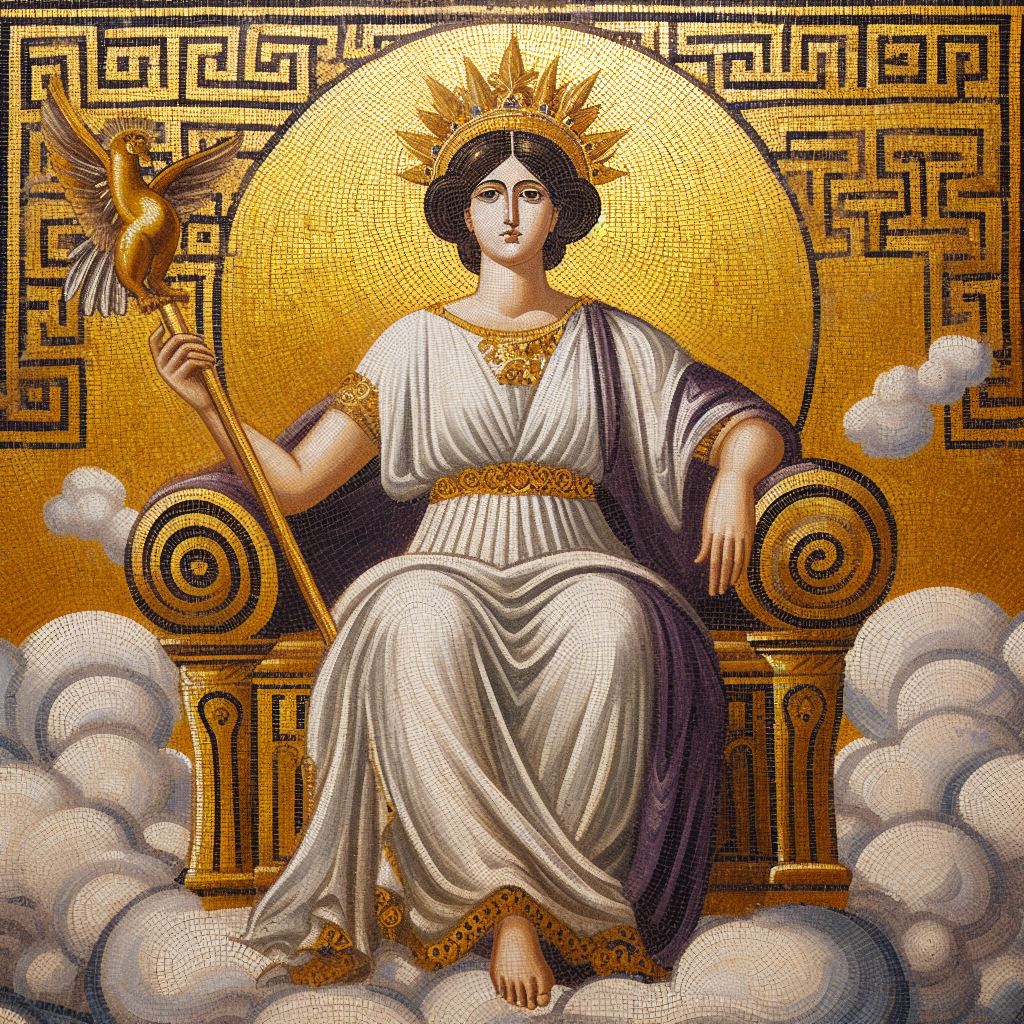
I have never felt much of a connection to Imbolc and Brigid who is the more popular goddess associated with February and it’s beginning. In searching for alternatives, I found a connection to Juno. Having a preference for Graeco Roman divinities, this is who I choose to devote the first cross quarter feast to. Juno/Hera often gets the short end of the stick in most popular media these days. Usually the stories of her vengeance on the bastard children of Zeus from his uncountable paramours is the most often told story, and for that she is painted as being cruel, wicked, evil, vindictive, a harridan, and generally a bad example of a woman. They often overlook her other qualities, and other stories about her. One overlooked and rather important thing, that is often left out from modern retellings is that she was the divine patron of Jason of Jason and the Argonauts. Jason’s success in his journey came about because she favored him and helped him. As long as he held her favor, his ventures worked out for him. It wasn’t until he lost Hera’s favor, by screwing over Medea and breaking promises to her, and abandoning his own children, did his fortunes change and he ended up losing, hard. The month of February is also named for an title of Juno, that of Juno Februa, or Juno of Purification. The month February in the old Roman calendar was closely connected with purification, which would culminate on the 15th of February with the Februa purification. After this it would become a time of feasting and honoring the Gods, the dead, the Lares, and the prosperity of the people and the city itself as evidenced by it’s stability and prosperity.
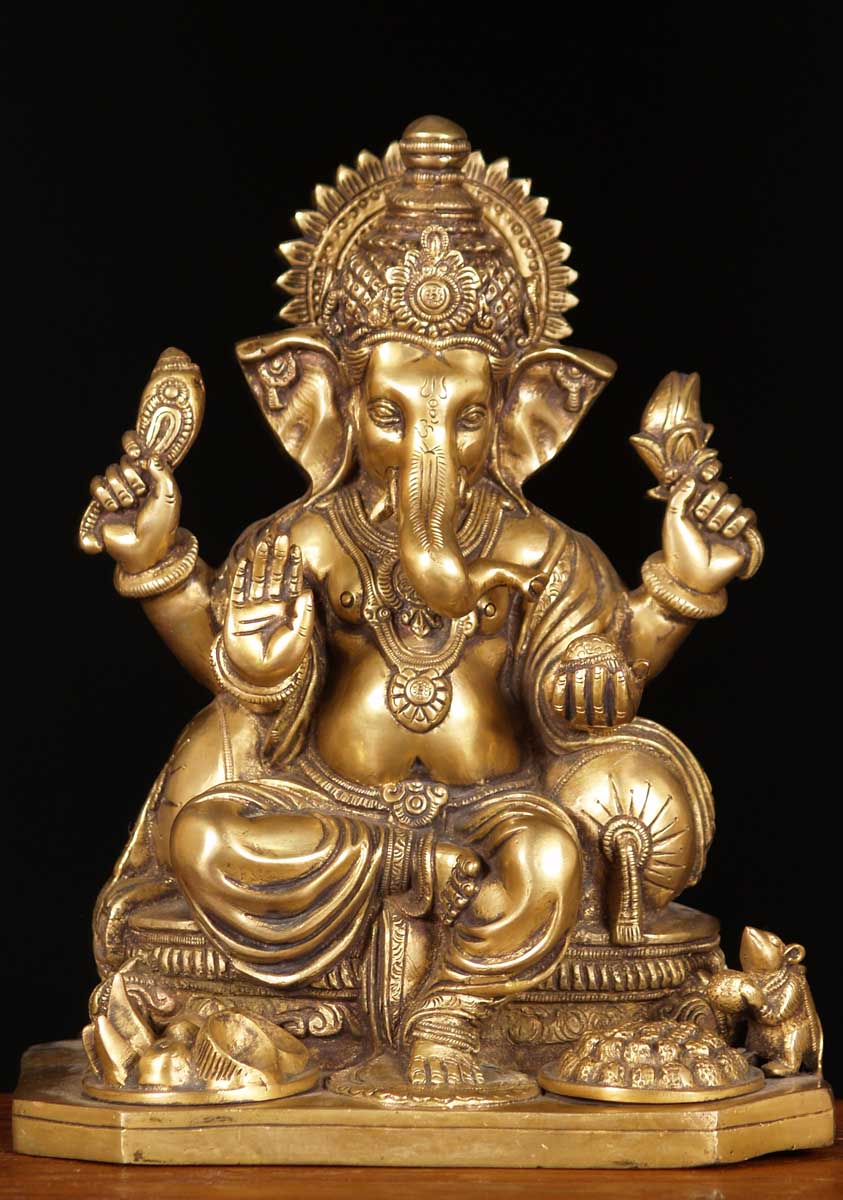
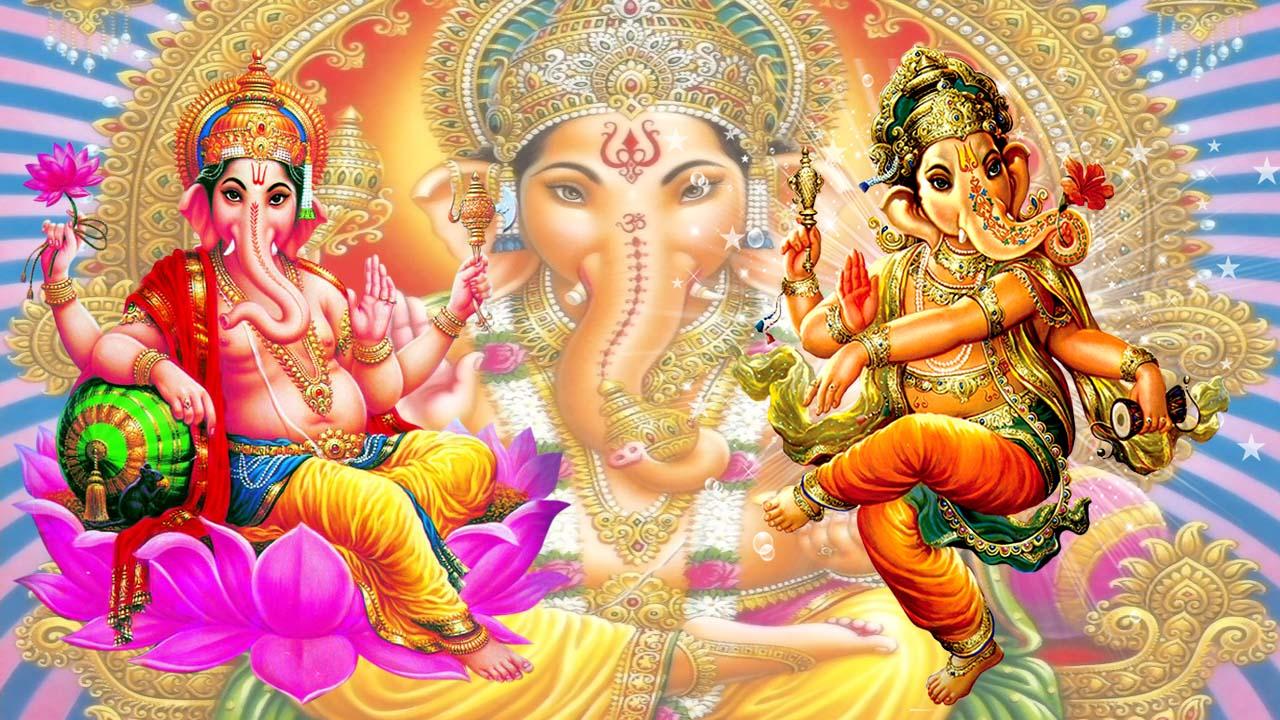
One of my favorite deities of the Hindu panoply of gods is Ganesha. He is fantastic. I forget when I was first introduced to him, but I have always felt a certain fondness for him, and enjoyed learning about him; the myths, the mantras, the devotions, the festivals.
The popularity of Ganesha extends throughout many of the religions that originated in India. Hindus, Buddhists, Jainists, all seem to venerate Ganesha, and it seems quite a few people outside of that religion, who also are drawn to him.
His origin story is quite well published, and if you want to read it, well, Google it, but I will do a quick paraphrase here. He is the son of Parvati, the wife of Shiva, who was created to guard her while she took her bath. However, while Parvati was bath, Shiva returned and sent some of his followers to call upon Parvati. Ganesha denied them, and beat them soundly when they attempted to trespass. Finally Shiva came to see what the problem was, and not knowing the boy was his wife’s son, they fought. Shiva won, but before Parvati could stop the conflict, Shiva had used his destructive third eye upon the youth, destroying his head. In order to revive him, another head needed to be found, which was an elephant head, which became attached to the boy’s body and he was then revived. There are quite a number of different versions that fill in various details and explain various things, but that is the very short hand version of the story that I first heard.
He is associated with having dominion over many things, but his main attribute is the Lord of Obstacles. While mostly often he is asked to remove obstacles, it is also said that he can place obstacles in the path of people who need it. One of his names reflects this power where he is identified as Vighneshvara, which literally translates as Lord of Obstacles (shvara – lord and Vighne being obstacles). There are other variations of this name, but the meaning is considerable consistent. The obstacles he governs are both physical and metaphysical and can be people, places, concepts, spiritual issues, illness and many other things. For this reason he is often called upon when beginning a new venture, to remove obstacles that may obstruct it, as well as when engaging in ritual, to remove obstacles that would impede the success of the ritual.
Another name and association is with knowledge, wisdom and learning. The concept I learned with that is his name Ekadanta which means “One Tusked” as he is often portrayed with only one complete tusk, the other one often broken off and being held in one of his hands. I have a small clay statue showing him holding this broken tusk, and it seems he was using it as a writing implement. The story that I learned is that it was Ganesha who first created writing, and started to write down what other gods said, that it might be preserved and remembered. As he was doing so, his writing implement broken, and there was nothign to replace it. So he broke off his tusk, and dipped it into the ink and continued writing. Because of his connection to knowledge, wisdom and learning, he is also sometimes known as Buddhi’s husband or Buddhipriya, buddhi being a sanskrit word for knowledge and wisdom which is a feminine word and priya meaning fond of, lover or husband.
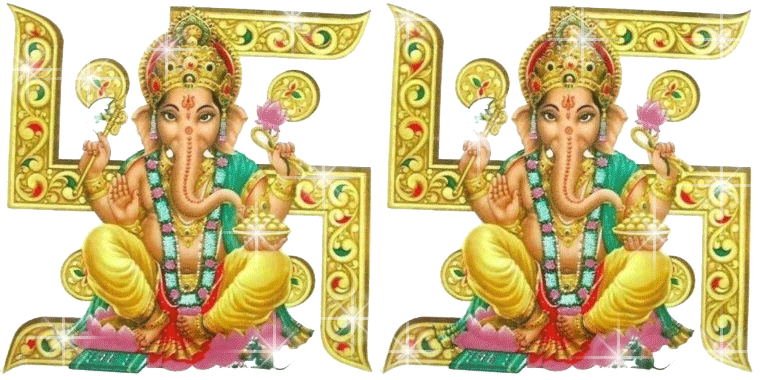
Ganesha is also associated with a number of other concepts. It is said that the OM is his nature. The swastika is a very popular symbol and it is widely associated with Ganesha. Many statues from the subcontinent of Ganesha often have the swastika prominently displayed on Ganesha, or used in his depictions. He is also said to dwell in the muladhara chakra, as it said the “he holds, supports and guides the other chakras , and thereby governing the forces that propel the wheel of life”
The largest festival associated with Ganesha is Ganesha Chathurthi. This annual festival of 10 days happens in early autumn, typically at some time in August or September (because it is based upon a lunar calendar, the dates vary in the Gregorian calendar. You can google the date). Originally a small family orientated festival, it became a rallying point for Indian independence from the British, and for that reason is widely celebrated across the country, but especially so in specific states and in Ganesha specific temples. The beginning of the festival is marked by the arrival of Ganesha, usually as a large statue. At the end of hte festival, the statue (or statues) are then taken to nearby bodies of water (lakes, rivers etc…) and submerged. While this tradition continues, there has been some discourse over it, as the original statues were often made of clay and would just dissolve into mud, many modern statues started to be made from plaster of paris, which is filled with toxic chemicals, and then painted with toxic paints, which would then pollute the bodies of water. While I have read that some areas have returned to using clay and non toxic pigments, others have started using reusable statues also colored with non toxic paints and dyes, and so they retrieve the statue from the body of water after a few days.
If you want to engage in devotion to Ganesha, a very simple way is through offering him incense and sweets. While he is often depicted with a bowl of traditional indian deserts, I have found he likes all maner of sweets and candies. Including incense (sandalwood is a good choice) is always good, as would including some kind of liquid, even water. The most commonly recited mantra to Ganesha is “Aum gam ganapati namah” Ganesha is very often identified with the color red, although white also is used, along with blue, and it seems orange and yellow are also popular (although usually used with different roles of Ganesha).
Hail Rune Wights of the Nine Worlds, Hail to the Hidden Runes, Interpreted signs, the many symbols of Might and Power, by great singer painted, by the high powers fashioned, graved by the utterer of Gods, Hail cosmic runes, bright runes, Holy runes, Hail Luck staves, Wyrd staves, Spell staves, Hail Mind runes, Hail Dream staves, Hail Speech runes and Song runes, Hail Joy Runes and Victory Runes, Hail Wealth Runes, Hail Thief Staves, Hail Birth runes, Blood runes, and limb runes, Hail Health staves, Hail Sea runes, Earth Runes, Fire Runes, Sky Runes, Hail Wind staves, Water staves, Rock staves, Flame staves, Hail Death Runes, Black runes, Hel Runes, and Conflict Runes, Hail Murk staves, Deception staves, and Evil staves, Great Rune Wights, Your weal I win, your boon I obey, your good I happily gain, Hail to the speaker, the knower, the listener, Use what you have learned



 RUNEWORKER